Live Nation and DOJ settlement: what the claimed terms could mean
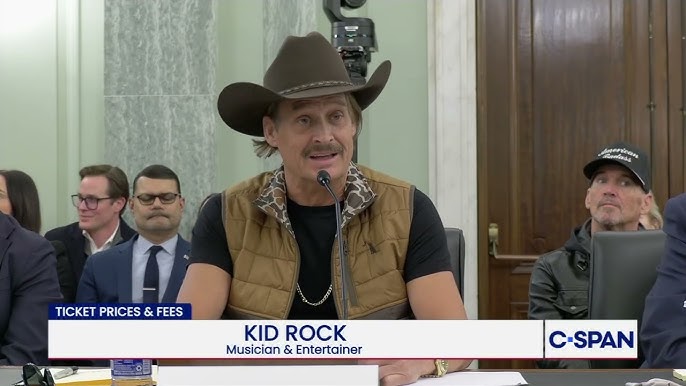
Fresh discussion around Live Nation’s settlement with the U.S. Department of Justice is focusing less on headline rhetoric and more on what, precisely, would change for venues, ticketing, and the company’s concert business if the reported terms hold, after musicians like Kid Rock called out Live Nation for their practicises. While the full legal text and enforcement details matter most, an industry-focused breakdown circulating Monday outlines potential damages, divestitures, and contract tweaks that could reshape how Ticketmaster’s exclusives work in the most contested corner of the market: amphitheatres.
In a detailed thread, Mr. Garrett Nolan argued Live Nation is expected to pay at least $200 million in damages—figures he said he has seen reported as high as $280 million—framing it as substantial enough to “get attention” without signalling an overly punitive posture from the DOJ.
On the structural side, Nolan’s most consequential claim is that Ticketmaster’s typical “fan club carve out” in exclusive venue deals would become far broader than a narrow artist-fan-club exception. If a carve-out can be used for “almost anything,” then venues could allocate a slice of inventory—Nolan estimated around 8% based on contracts he has seen—to third parties without contractual penalty, even if those third parties are not formal Ticketmaster distribution partners. In practical terms, that could create a limited but real lane for alternative distribution channels inside otherwise exclusive arrangements, though it would not, by itself, dismantle exclusivity or guarantee lower prices.
Nolan also said amphitheatres (“sheds”) drew heavy attention in the settlement, and claimed Live Nation would need to divest 10 to 13 amphitheatres. That would directly touch the segment often used in market-control arguments, where opponents cite Live Nation and Ticketmaster controlling 70% to 80% of the market. Divestiture is one of the few remedies that can change market structure quickly, but outcomes depend on who buys the assets and what competitive constraints come with the sale; if a major rival acquires the venues and runs a similar model, the competitive benefits could be limited.
Fee restrictions are another flashpoint. Nolan suggested a cap on ticket fees could push costs into other categories, predicting an end to free parking as one likely downstream effect. This is a classic enforcement challenge in consumer-facing settlements: capping one charge can incentivise firms to reprice elsewhere unless the order addresses total cost transparency and prevents simple substitution. Whether the settlement includes clear definitions, disclosure rules, or auditing mechanisms will likely determine if consumers experience a true reduction in all-in costs or simply a reshuffling of line items.
Finally, Nolan questioned how enforceable term limits on exclusive ticketing agreements would be if companies can include first-right-of-refusal language, and he argued that breaking Ticketmaster away from Live Nation would not automatically reduce ticket prices or change ticketing’s core business model. Even so, if the reported terms are accurate, the package appears aimed at incremental constraints—damages, targeted divestitures, and narrower behavioural rules—rather than a single transformative remedy. The next key test will be the settlement’s fine print: enforcement tools, timelines, and whether compliance obligations are strong enough to prevent workarounds.
Quick thoughts about today's Live Nation/DOJ settlement:
1. The fact that this settlement was reached on a Monday morning before half the country was awake means that it was going to be not bad news for Live Nation.
2. Live Nation will have to pay at least $200M in damages.… pic.twitter.com/EUsIymTjKV
— Garrett Nolan (@garrettnolan) March 9, 2026